
In one country within the United Kingdom, farmers already have to be aligned with the European Union's stricter rules.
News that the UK could seek a Sanitary and Phytosanitary (SPS) agreement with the European Union (EU), a move that would require closer alignment on the use of pesticides and other chemical inputs in farming, has sparked concern in some quarters.
However, there is already one part of the UK where farmers are operating under EU rules. In Northern Ireland, farming remains aligned with the 27-member bloc under the terms of the post-Brexit settlement.
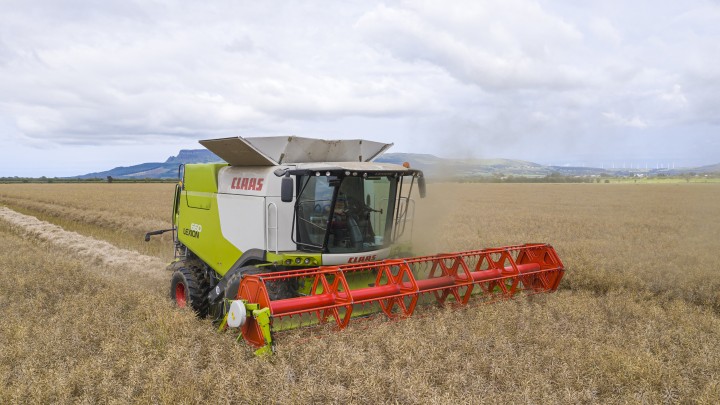
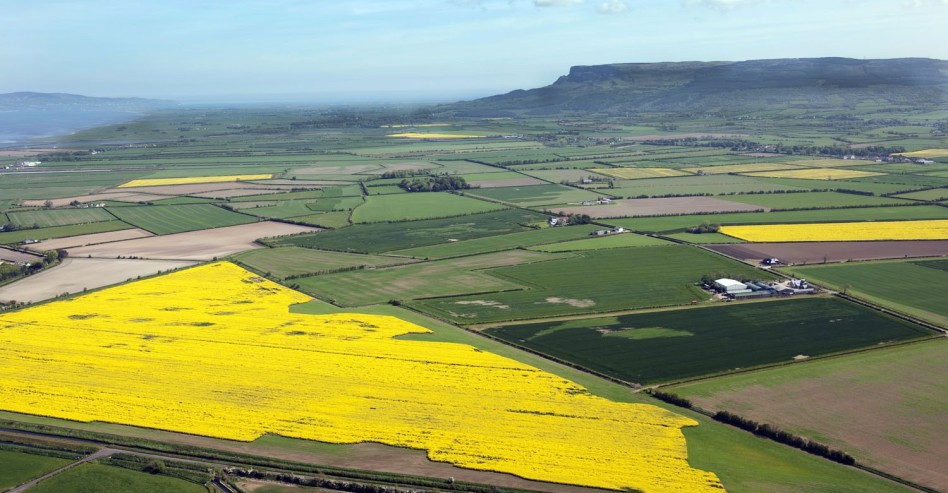
We spoke to NFFN NI farmer Leona Kane, who grows oilseed rape on the family farm in Limavady, County Londonderry, to discuss how she is building a successful nature-friendly arable business while working within EU regulations.
The basics - What are the EU rules on pesticides?
Since Brexit, the EU has maintained stricter rules on pesticide use than the UK, continuing to apply the precautionary principle at the centre of its regulatory approach.
This has led to a growing divergence between UK and EU pesticide regulations. Recent analysis by Unearthed identified 14 pesticides that have been banned in the EU but can still be used by British farmers. Brussels banned 10 of these 14 chemical substances because of concerns about risks to human health or the environment.
There are also specific areas where UK and EU rules differ. For example, closer alignment with EU standards would prevent British farmers from using glyphosate as a pre-harvest desiccant (in the EU, it can only be used for weed control). Alignment would also prevent the use of insecticide etoxazole on food crops.
The NFFN supports closer alignment with EU standards, provided there is a transition period of around 12 months to give farmers time to adapt. However, the pesticides industry has warned that an SPS deal could have significant consequences for UK farming and has argued that extensive carve-outs would be needed.
How does Leona farm to EU rules?
Leona’s award-winning Broighter Gold rapeseed oil is produced to EU standards. In practice, this means selecting active ingredients from the more restricted list approved for use in the EU and treating pesticides as a last resort, rather than a first response. The farm works closely with agronomists to ensure that every input is both necessary and safe.
Instead of relying heavily on artificial inputs, Leona uses integrated pest management (IPM) to keep crops healthy. This includes creating habitat such as flowering margins to encourage beneficial insects and natural predators that feed on pests. The farm also rotates crops, chooses more pest-resistant oilseed rape varieties and closely monitors fields for early signs of problems.