
Resources

Why biofuels for aviation can’t take off in the UK

United Kingdom
Policy & Views
climate change
Land Use Framework
policy

Sustainable Aviation Fuel would put too much pressure on UK land use to be a viable long-term solution, NFFN CEO Martin Lines argues.

Climate change and the need for decarbonisation are placing increasing pressure on many sectors, but for the aviation industry the crisis is particularly acute. As the Government is currently consulting on Sustainable Aviation Fuel (SAF), suggestions that UK farmers could grow crops for airplane engines are ramping up.

This is a move the NFFN strongly opposes, for a number of reasons. As we seek to identify the best uses for our land in the face of climate change and nature’s decline, diverting large areas of agricultural land to biofuel production would be particularly reckless.

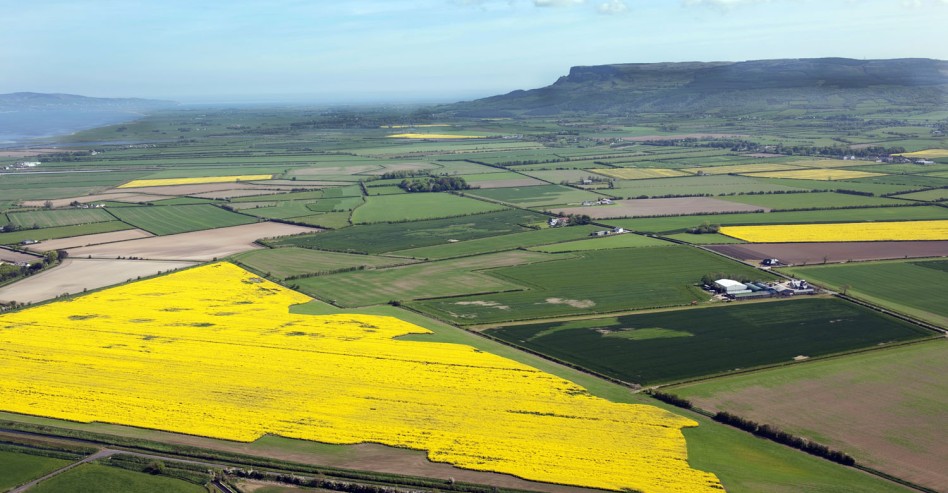
As the Land Use Framework (LUF) for England makes abundantly clear, we have a finite amount of land and demand a great deal of it. We need to grow more of the food we consume and increase the diversity of our diet. We need infrastructure that can withstand more volatile weather, and we must expand renewable energy production. We also need to create and restore habitats to support nature and biodiversity.

Given this, we must question the use of agricultural land to grow biofuels for airplanes instead of crops to feed people. We are already using a significant portion of land to grow animal feed, crops for alcohol production, and plants for energy. Adding another demand into the mix would divert even more arable land from its primary function of feeding people, threatening UK food security and driving up prices for consumers.

SAF would also hinder the transition to the kinds of farming practices we need to see adopted more widely. Wet, mild winters followed by long, hot, dry summers are making arable farming increasingly challenging, with a high risk of crop failure if farmers do not prioritise soil health and water management. 

There is a real risk that farmers producing SAF end up managing large monoculture crops. This is the opposite of what we need for a climate-resilient future, which is a mosaic of mixed, diverse farms producing a wide range of foods.

Martin Lines

SAF production often involves removing straw after harvesting or using cover crops. However, these materials should be returned to the soil to build organic matter and improve farm resilience. While some proposed SAF models suggest that nutrient residues could be returned to the soil, the processing of these crops into fuel is likely to be concentrated in a small number of post-industrial areas in Northern England due to existing infrastructure there. These areas are not amongst the country’s main arable regions, meaning that transporting the residue back to farms will incur extra costs and emissions, likely outweighing any of the gains.

I am concerned that UK farmers may look at the scale and wealth of the aviation industry and see growing biofuel crops as a safe bet. In reality, this could lock them into long-term contracts which will limit the flexibility they will need to respond quickly to unexpected and severe events. At a time when yields are already fluctuating, and without a concerted effort to ensure all farmers have the climate resilience they need, committing to fuelling flights rather than feeding people strikes me as extremely risky, both for farm businesses and for policymakers concerned with food security.

There is also a real risk that farmers producing SAF end up managing large monocultures of whichever crop proves most commercially viable. This is the opposite of what we need for a climate-resilient future, which is a mosaic of mixed, diverse farms producing a wide range of foods. Such diversity promotes soil health (for example, by alternating nitrogen-depleting and nitrogen-fixing crops), and also helps ensure that farmers are not overly exposed to the financial impact of crop failures.

I am not opposed to SAF in principle - the need to transition away from fossil fuels is urgent. However, we have to be realistic about what the UK, a small island facing intense land pressures within a global economic system, can contribute. Other, larger countries are better placed to produce biofuel crops at scale and at a lower cost.

Aviation is a global industry, and its challenges require global solutions. Countries such as the UK, which lack the landmass, landscapes and conditions to produce SAF reliably, should not rush into things to which they are not well suited. If SAF is to play a significant role, the raw materials will have to be sourced from elsewhere.

Cookie consent

We use cookies on this website to improve your experience, provide social media features, and analyse our traffic. By clicking Accept All, you agree to the use of cookies as outlined in our Cookie & Privacy Policy. You can manage your cookie preferences at any time by clicking Cookie Settings.