
Resources

The ups and downs of growing beans on UK arable farms

Scotland
Farm Practices
food system
fruit and vegetables
arable
low inputs
supply chain

According to Scottish farmer John Seed, there is clear evidence growing beans benefits farms, but structural barriers are preventing wider adoption.

There’s an urgent need for British farms to grow more beans and pulses - but one Scottish regenerative farmer, who has been growing these crops for years, says the market and supply chain are lagging behind in providing support.

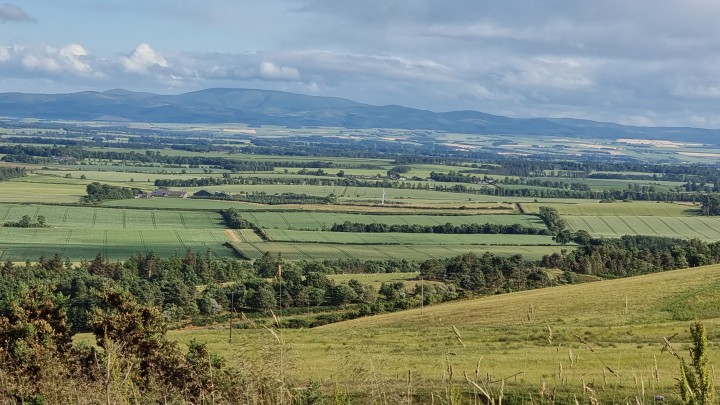
John Seed, who farms at Woodend Farm in Berwickshire, has considerable experience growing beans and pulses for both human and animal consumption.

With a deep interest in the science of agriculture, John is convinced that growing beans will help arable and mixed farmers become more resilient to threats such as climate change and volatile global input markets.

However, there remains a frustrating lack of joined-up thinking across the food industry, which must be addressed if this is to become a reality for many farmers.

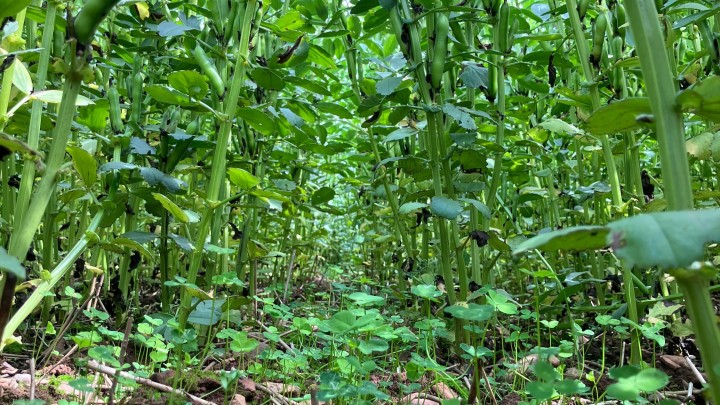
The basics - Growing beans at Woodend Farm

Currently, John grows 32 hectares of beans at Woodend, alongside 14 hectares of spring barley, 37 hectares of spring oats and 48 hectares of wheat. The crops are grown within a five-year arable rotation.

John first turned to growing beans after feeling the farm’s crop of oilseed rape was not delivering enough profit to justify the risks and challenges involved in growing it. He believed beans would be more resilient and better suited to a lower-input system. 
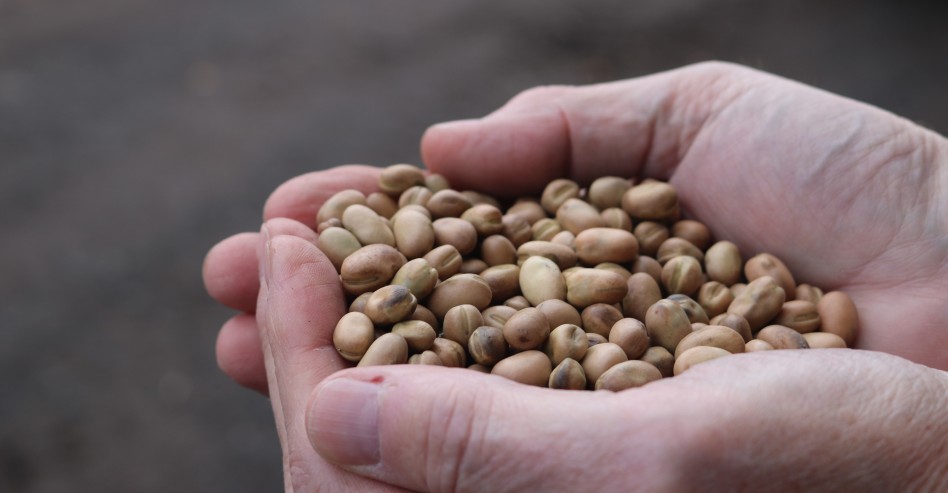
The farm initially grew fava beans for export to markets such as Egypt, where they are a larger part of people’s diets. However, John has increasingly turned to using his beans as an alternative protein source for the thousands of hens in the farm’s free range egg operation.

This shift began after a carbon audit revealed that the farm’s biggest expenses were bought-in soya and energy. John then expanded homegrown bean production in response to Covid-19 and the start of the war in Ukraine in 2022, which caused imported protein prices to rise sharply.

What are the pros of growing beans? 

Introducing beans into crop rotations can bring multiple benefits for farmers. “They help to reduce disease pressures on plants, boost soil health, act as a break crop in cereal-heavy rotations and improve the performance of the crops that follow,” John says.

Analysis carried out as part of the Nitrogen Climate Smart (NCS) project, which aims to increase pulse and legume production from 5% to 20% across the UK while halving imported soya meal, shows that more nitrogen is available in the soil after beans than after spring oats. These nitrogen-fixing properties mean John is spending less on artificial fertiliser, while yields of subsequent crops are boosted by between half a tonne and a tonne per hectare due to the higher soil nutrient levels.

Beans help to reduce disease pressures on plants, boost soil health, act as a break crop in cereal-heavy rotations and improve the performance of the crops that follow

John Seed

It is also possible to influence the protein content in beans by paying close attention to trace elements. Data from the NCS trials is being used to monitor levels of amino acids in the beans and sulphur in the soil available to the plants. John suggests, with a better understanding of this, farmers could potentially tailor the nutritional profile of their beans to better meet customer needs.

All this work is clearly paying off in terms of harvests. John recently won a silver medal from the Yield Enhancement Network (YEN) for achieving 7.3 tonnes of beans per hectare. “For me, farming is about efficiency and resilience, using what you’ve got to best advantage to produce good yields on low inputs,” he says.

What are the challenges of growing beans?

Farmers growing beans are facing a number of difficulties, John says. One is the increasing frequency of diseases such as chocolate spot, which are becoming more prevalent during the milder, wetter winters associated with climate change.

With little control over prices, and generally low returns from arable crops, John fears transitioning from cereals to beans can feel too risky for many cash-strapped farmers. While beans do not always outperform cereals on headline gross margin, their lower input costs and rotational benefits can improve whole-rotation performance and resilience over time. He notes that EU countries have backed commitments to increasing home-grown legume production with per hectare payments, and would like to see similar support in the UK. For John, the income he received through participation in the NCS project helps to offset some of that risk.

There are further challenges for farmers looking to grow beans for human consumption. Shifts in the global markets mean that regions such as North Africa, which John previously supplied, are now sourcing beans from countries such as Canada and Australia instead of the UK. 

Infrastructure is also lacking to support the integration of more British-grown beans and pulses into the supply chain. John would like to be able to dehull his beans, allowing the hulls to be used in the farm’s bokashi composting system. At present, he says merchants’ mills are set up to handle large quantities of a small number of crops, rather than more diversified outputs.

John has also encountered issues when attempting to diversify into other pulses. He had several successful years growing lentils, achieving very strong yields by UK standards, reaching up to 6.7 tonnes per hectare in good seasons. However, difficulties in sourcing the most suitable seed varieties in the long term ultimately brought lentil production at Woodend to an abrupt end.

Conclusion

The issues with the current food system are all the more frustrating as John believes increasing domestic legume production makes sense on many levels. “There’s huge demand for greater quantities of British beans,  and this is the part of the world where these crops have traditionally been grown,” he says.

“However, the transition points between the different elements of the supply chain are broken. If arable farmers are going to grow more beans and vegetables, they need certainty. If a big retailer or supermarket announced proper targets for increasing production with a clear timescale, people would invest and that would really start to bring things together.”

Cookie consent

We use cookies on this website to improve your experience, provide social media features, and analyse our traffic. By clicking Accept All, you agree to the use of cookies as outlined in our Cookie & Privacy Policy. You can manage your cookie preferences at any time by clicking Cookie Settings.