
How farmers are using IPM to reduce inputs, manage risk and build resilience.
Integrated Pest Management (IPM) is often talked about in technical terms, but at its heart it’s a simple idea: working with nature to reduce pesticide use. In a recent Farm Gate podcast discussion, three farmers from different systems - horticulture, livestock and arable - shared how IPM shapes the way they farm day to day.
You can listen to the full conversation here, but below are some of the key themes and practical insights that emerged.
Andy Dibbon (horticulture)
At Abbey Home Farm in Gloucestershire, head grower Andy Dibbon sees pest management as inseparable from crop planning and landscape design. Managing 15 acres of organic horticulture within a 1,600-acre farm, Andy focuses on building complexity rather than trying to control individual pests.
“Nature hates a vacuum,” he explains. “We try and introduce as much complexity into all of our cropping areas. Pesticides remove every living thing in the field so that if an aphid or a caterpillar turns up, it just explodes its population because there's nothing to control it.”
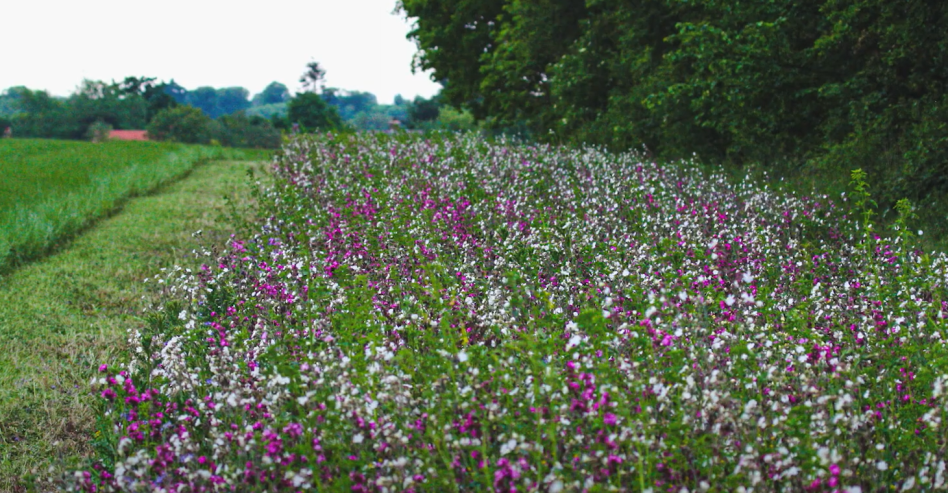
Key to this approach is recognising that non-cropped areas are just as important as productive land. Woodland, hedgerows, rough grassland, bare ground and deadwood all provide habitats for beneficial insects and animals. On the cropped land itself, Abbey Home Farm integrates annual and perennial wildflower strips, agroforestry, undersown green manures and year-round ground cover, ensuring food and habitat for insects throughout their life cycles.