
Why you should check which water catchment your farm is in.
Over the next few months, NFFN Cymru will be teaming up with water company Dŵr Cymru Welsh Water (DCWW) to raise awareness of how day-to-day farming decisions influence the water that ends up in people’s taps.
Why catchments matter
Agriculture is the main land use within most UK drinking-water catchments, meaning the way land is managed directly affects both productivity and water resources. Efficient use of fertiliser, slurry, and pesticides isn’t just about compliance - it’s about getting the best return on inputs while avoiding waste. When nutrients or soil leave the field, they represent lost yield and lost investment.
Understanding your catchment helps you identify which practices deliver the greatest benefit without unnecessary risk. With that knowledge, it’s easier to adopt measures that keep nutrients where they belong - on the crop - while reducing soil loss and safeguarding watercourses.
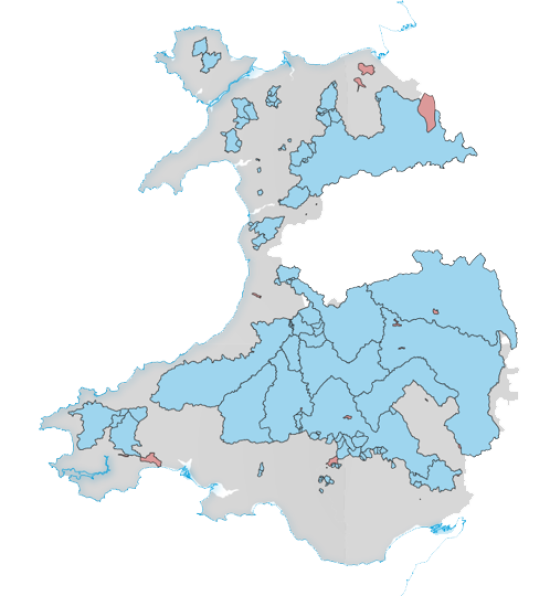
DCWW sources water from over 100 catchments across roughly 11,000 km², supplying clean drinking water to more than three million people. Cleaner water at the point of abstraction means less treatment, lower costs, and reduced energy use. Farmers play a vital role in achieving this, and the same actions that protect water often improve soil health and crop performance - boosting long-term farm efficiency.
Solutions
Healthy, well-managed soils are one of the most effective ways to protect water quality. Good soil structure helps rain soak in and prevents valuable topsoil and other run-offs ending up in rivers.
Over the coming months, NFFN Cymru will highlight practices farmers can roll out to improve water quality while supporting productive, resilient farming. Keep an eye out for our Weatherproof Farming Roadshow, launching in early 2026, where we’ll bring hands-on advice directly to farming communities across Wales.