
Polling shows a strong appetite to move away from industrial livestock production - if government and supply chains back the transition.
UK farmers want financial backing to transition towards nature-friendly livestock systems that build climate resilience, according to polling carried out for the NFFN.
A survey conducted by market research company Savanta found that many livestock farmers would be willing to move away from industrial farming methods if the right support were in place.
Industrial livestock production is typically characterised by large-scale, high-density, indoor housing of animals rather than raising them on pasture. These systems rely heavily on imported or off-farm feed, veterinary pharmaceuticals and tightly controlled genetics.
The survey found that many farmers currently feel pushed out of the market, with corporate interests prioritised over fairness and sustainability. Young farmers, in particular, expressed concern about the dominance of industrial meat production.
As more farmers back a transition to nature-friendly farming, the NFFN says governments and supply chains must step up investment and provide long-term support. This includes trusted advice to support nature-friendly farming, fairer supply chains that deliver viable returns, and trade policies that block imports produced to lower environmental and welfare standards.
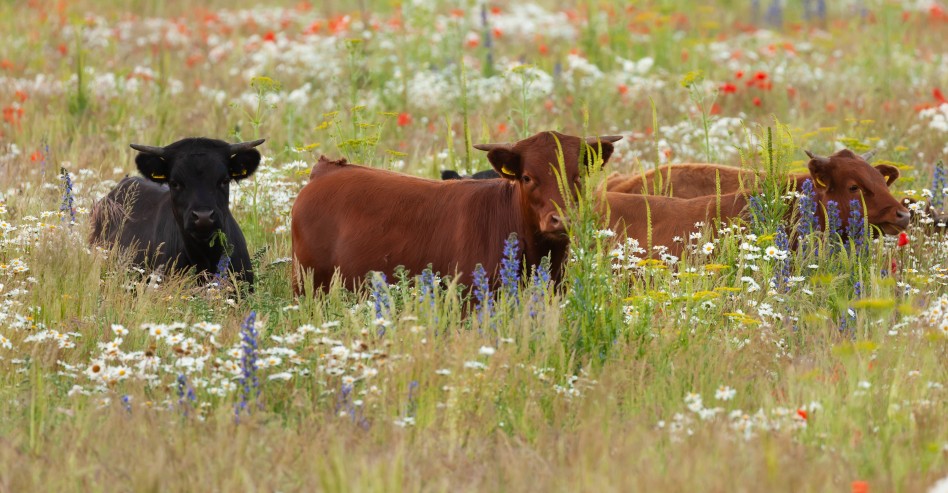
Martin Lines, NFFN CEO, said: “More and more farmers recognise that an industrial livestock model won't regenerate our land or secure the long-term resilience of farm businesses. Instead, farmers want ‘the right animal in the right place’, with well-managed livestock working with landscapes to build soil fertility, support biodiversity and cycle nutrients through the soil, all while producing great-tasting food.
“Many more farmers would move to diversified, nature-friendly systems - which are more resilient, more sustainable and better for people and the planet - if the right support were in place. It’s especially vital that high-standard food production in the UK, with its associated higher costs, is not undercut by cheaper, lower-standard imports. The Government and supply chains must recognise that nature and food production go hand in hand.”