

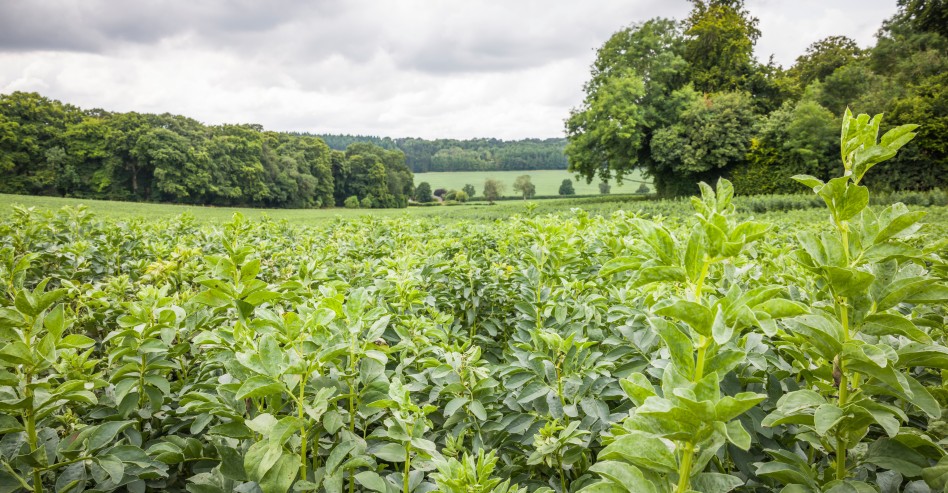
Our survey suggests expanding these crops could help address UK food security pressures.
Growing vegetables, fruit and pulses is benefiting farmers’ resilience, soil health and profitability - at a time when the UK faces growing pressures on food security, according to a new NFFN poll.
A recent Government analysis published by the Department for Environment, Food and Rural Affairs (Defra) highlights that the UK is currently not able to be fully self-sufficient in food production. The report warns that improving food security will require big changes across agriculture.
Our survey findings suggest that expanding the production of non-cereal crops could play a key role in building this resilience, providing both environmental and economic benefits while contributing to a more diversified and sustainable domestic food supply.
The poll of our farmer members found that vegetables, pulses and fruit were the most common non-cereal crops being grown. A strong majority (90%) of these farmers reported clear benefits, including improved resilience through diversification, healthier soils and more varied income streams.
However, most farmers are yet to make the shift, with just 38% of those surveyed having diversified. Almost one in three (29%) said they are actively considering growing fruit, vegetables or pulses in the future, indicating significant scope for growth. Around half of non-growers cited unsuitable soils or a lack of technical expertise as key reasons.
The survey results show that adapting to the impact of climate change is the most important benefit and motivating factor for diversification. A majority of the farmers already growing non-cereal crops (83%) reported encountering challenges, with the most common issues including dealing with pests, weeds and harvesting, along with low crop prices and limited local processing infrastructure.