
News

Graziers invited to help care for historic sites in Wales

Wales
grazing
Livestock
native breeds

Cadw, the heritage body, plans to use native livestock to care for some of its monuments in sustainable, low-impact ways.

Cadw, the Welsh Government body responsible for caring for historic sites, is keen to speak to graziers as it looks to introduce livestock as part of its ongoing maintenance work.

The organisation looks after 130 sites across Wales, ranging from medieval castles and prehistoric standing stones and burial chambers to historic urban buildings. 

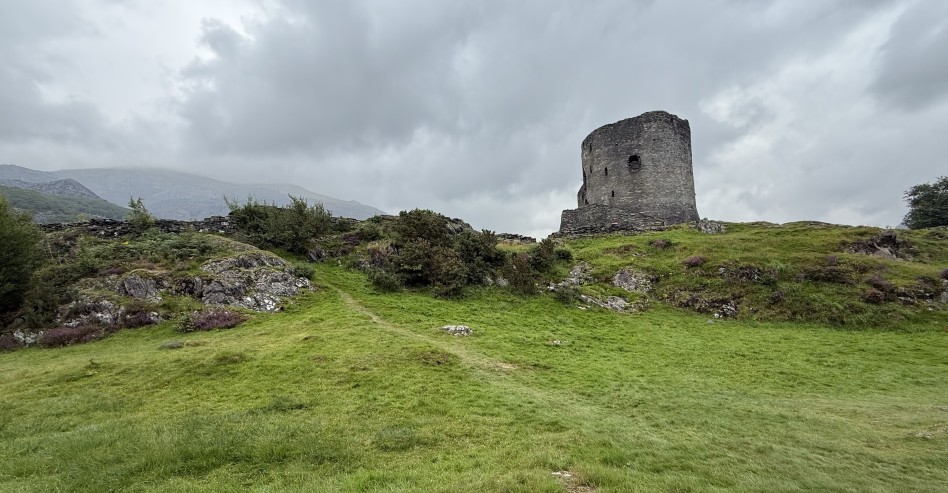
As part of efforts to make its work more sustainable and innovative, Cadw is now looking to introduce native-breed livestock to help manage scrubland and tree growth around some of its sites.

Cadw’s monument grounds manager, Eifion Jones, said: “In the past, we’ve contracted out grounds maintenance work, which has often involved putting up fences and then getting people in to mow the grass. We’re now exploring different and better ways of doing this.

We see this as a win-win partnership - graziers benefit from rest periods for their land and access to good foraging on scrub, tree saplings and brambles for their animals, while the use of traditional native breeds also helps us to tell more of the story of Welsh history, culture and society

Eifion Jones

“Some of our sites, such as castles which were built for defence, are steep and therefore vulnerable to scrub encroachment, with roots posing a real risk of penetrating structures and causing a lot of damage. Humans need climbing ropes and special training to access these sites, so using animals could be a far more practical solution.

“We see this as a win-win partnership - graziers benefit from rest periods for their land and access to good foraging on scrub, tree saplings and brambles for their animals, while the use of traditional native breeds also helps us to tell more of the story of Welsh history, culture and society.”

The grazing animals will only be required at each site on a temporary basis and graziers will need to provide livestock capable of thriving outdoors with very little infrastructure. Eifion says Cadw will be guided by the graziers, and that staff could be made available to check on the animals between visits.

Eifion estimates that between a quarter and a third of Cadw’s sites could be suitable for grazing, with new grazing regimes hoped to be rolled out from spring onwards.

You can explore the sites Cadw manages using this interactive map. If you are a grazier interested in finding out more about this project, you can email Eifion at eifion.jones067@gov.wales

Cookie consent

We use cookies on this website to improve your experience, provide social media features, and analyse our traffic. By clicking Accept All, you agree to the use of cookies as outlined in our Cookie & Privacy Policy. You can manage your cookie preferences at any time by clicking Cookie Settings.