
News

Farmers being hindered from growing more diverse crops

United Kingdom
climate action
arable
Diversification
Educating the public
food system
fruit and vegetables
horticulture

Climate change means adjusting what we grow in the UK, but the support systems and infrastructure needed are not there.

Farmers urgently need investment in infrastructure if they are to grow more of the foods required for a climate-resilient future, the NFFN says.

Scientists have shown that the UK needs to grow more beans, pulses, vegetables and fruit for consumption at home in order to meet its climate and emissions targets. Moving into horticulture can also benefit the long-term viability of farms.

However, NFFN farmers are finding their attempts to diversify into growing beans and pulses encounter serious problems, including a lack of suitable infrastructure for harvesting and processing them, as well as widespread consumer uncertainty about how to cook and incorporate these foods into everyday diets.

Policymakers need to urgently invest in the equipment and systems required to increase domestic production of these foods.

Our CEO Martin Lines said: “We often hear that our food and farming system is currently out of balance, with too much land allocated to growing crops that don’t feed people and an urgent need to increase homegrown production of foods we are able to grow here.

“However, what is not given nearly enough attention is the lack of suitable infrastructure to allow farmers to make this shift. At every turn, they face unnecessary hurdles, from a lack of processing facilities to low public familiarity with preparing and cooking these foods.

“Climate change is already here, and farmers are on the front line. Increasing UK horticulture production is one of the biggest and most necessary steps we can take to protect food security and farm businesses for the future. We can no longer afford such a mismatch between what we need and the reality on the ground.”

Climate change is already here, and farmers are on the front line. Increasing UK horticulture production is one of the biggest and most necessary steps we can take to protect food security and farm businesses for the future.

Martin Lines

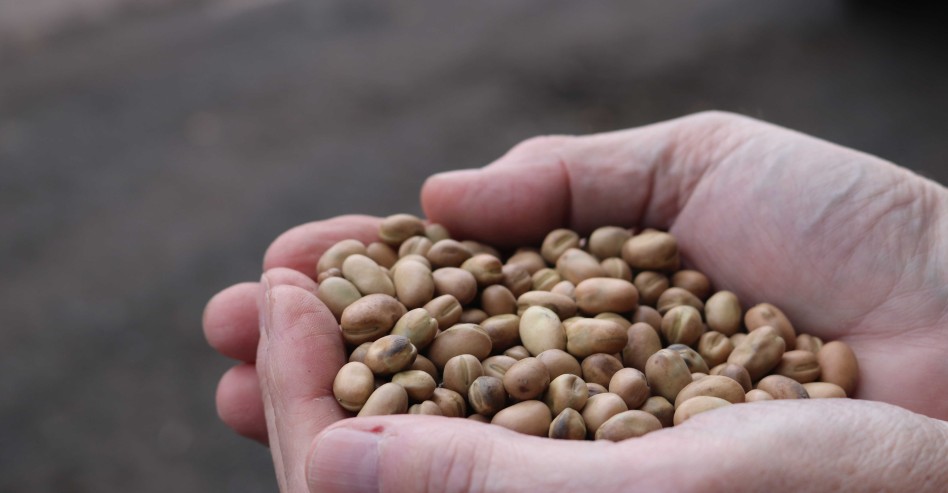
This matches the experience of NFFN farmer Fraser Hugill, who grows beans on his farm in North Yorkshire as part of his crop rotation, typically between wheat crops. He says beans can have significant benefits for farmers, including improving soil health and fixing nitrogen so less expensive artificial fertiliser is needed.

However, Fraser has found that market returns can be unpredictable, making production for human consumption an increasingly less attractive option.

Fraser said: “Beans are good for the land, and they are an important part of our crop rotation, even though we grow a comparatively small amount of them. We have been growing them for around 20 years, but we no longer receive the premium prices we used to receive.

“However, this comes down to economics, supply and demand. Beans still make up a relatively small part of most people’s diets in the UK, although I believe demand is growing. Without stronger demand, farmers are competing with producers in countries like Australia to supply export markets where bean consumption is higher, such as North Africa.

"If we want farmers to grow more British beans, we need to create the demand for them. Otherwise, increased production will simply lead to oversupply, driving prices down.”

Currently, pulses account for just over 6% of UK agricultural land use, but only 5% of this amount is used to grow food for people in the UK to eat. The rest is either exported or used for animal feed. We want to see this increased significantly by supporting farmers to grow pulses more regularly as part of arable crop rotations. 

We're also calling for a Good Food Bill to tackle systemic infrastructure barriers and create a strategy to increase horticulture in the UK, as well as changes to public procurement to make it easier for nature-friendly farmers to sell produce to institutions such as councils, schools and hospitals.

Cookie consent

We use cookies on this website to improve your experience, provide social media features, and analyse our traffic. By clicking Accept All, you agree to the use of cookies as outlined in our Cookie & Privacy Policy. You can manage your cookie preferences at any time by clicking Cookie Settings.