
Scientists are raising concerns over the Pacific Ocean weather pattern, but here’s what it could mean for UK agriculture.
After a summer of unprecedented heatwaves and drought, Britain could face another barrage of extreme weather over the coming months - this time with El Niño potentially making the impacts of climate change even more pronounced.
Scientists and climate experts are raising concerns over the weather pattern brewing in the Pacific Ocean. We’ve taken a look at why this is the case, what it could mean for UK farmers, and what they can do to prepare and increase their farms’ resilience.
What is El Niño and why is this one different?
El Niño refers to a warming of parts of the Pacific Ocean’s surface which happens every few years. This rise in ocean temperature has a knock-on effect on the weather across the world, with some parts of the world experiencing extreme rainfall events and flooding while others experience drought conditions.
El Niño also pushes up temperatures across the world, due to the vast amount of energy being pushed into the atmosphere due to the extra heat on the ocean’s surface.
Usually, this phenomenon causes surface temperature in the Pacific to rise by between 1 and 2 degrees Celsius. Any surface temperature rises over 2°C are classified as a super El Niño. However, scientists believe the 2026 El Niño is going to be far bigger than usual, with sea temperatures expected to rise by more than 3°C over the coming months.
What does this mean for the UK?
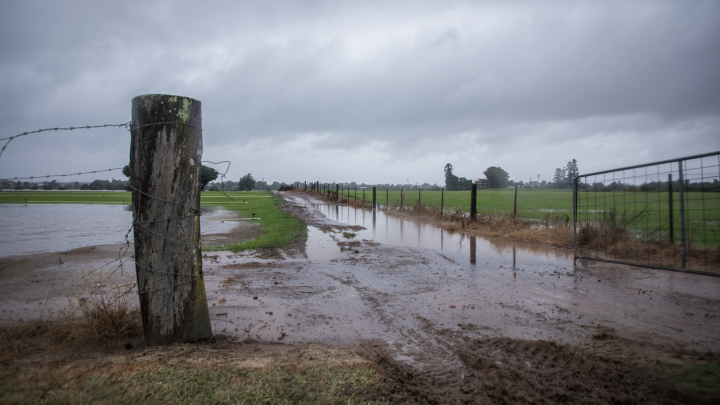
Initially, El Niño is expected to bring wet and stormy weather to the UK over the autumn and winter months, according to the Met Office. The south and west face the highest likelihood of high levels of rainfall, while the south east is most likely to experience warmer than usual winter temperatures. The Met Office’s three-month forecast for November 2026 to January 2027 showed a 55-65% probability that the winter will be warmer than usual.
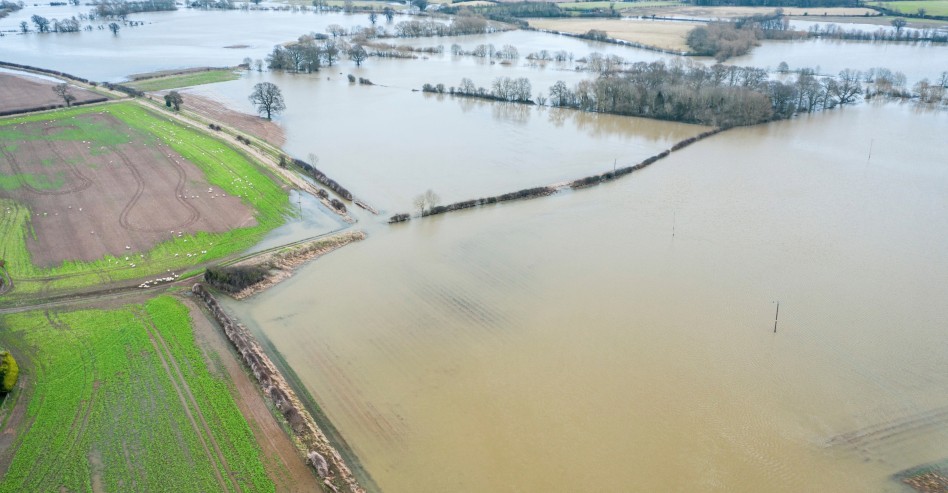
It is also likely that the UK will experience more named storms this winter than is usually the case. These could bring damage to property, businesses and infrastructure, while there will also be heightened risks of flooding, particularly in coastal areas. Experts at Kew Gardens also worry trees will struggle to cope with storms after being weakened by heat stress this summer.
However, it should be pointed out that the effects will not be felt equally across the country. Scotland, for example, is likely to see less notable variation in winter temperatures this year, while areas such as East Anglia and Lincolnshire may well see normal levels of rainfall.
The last time the UK experienced an El Niño comparable to the latest one was in 1997-98. That December was the second-warmest on record at the time, while January brought 150% to 200% of the average levels of rainfall in some western areas. The most recent large El Niño, in 2015-16, arrived in the UK for a winter which saw widespread flooding, with Cumbria particularly badly hit.
The warming effects of the phenomenon also last for months afterwards, which means 2027 is already being predicted as one of the hottest years on record globally. While the impact in the UK is far less certain, this is concerning following the huge impact of the summer of 2026's heatwaves and drought on farming.
What can farmers do to prepare?
El Niño periods contain many of the weather events that climate change is making more frequent, such as wetter winters with more storms and other extreme rainfall events, as well as higher temperatures overall.
Protecting the soil is crucial. Farmers should avoid bare soil exposed by using cover crops or grass. Reducing chemical inputs and increasing soil organic matter will improve the soil’s ability to absorb and store water. The use of heavy machinery should be avoided where possible, especially when fields become wet, due to the risk of compaction.