
At Edinvale Farm, success is built on the connection between nature-friendly livestock farming and direct sales through a local butcher's shop.
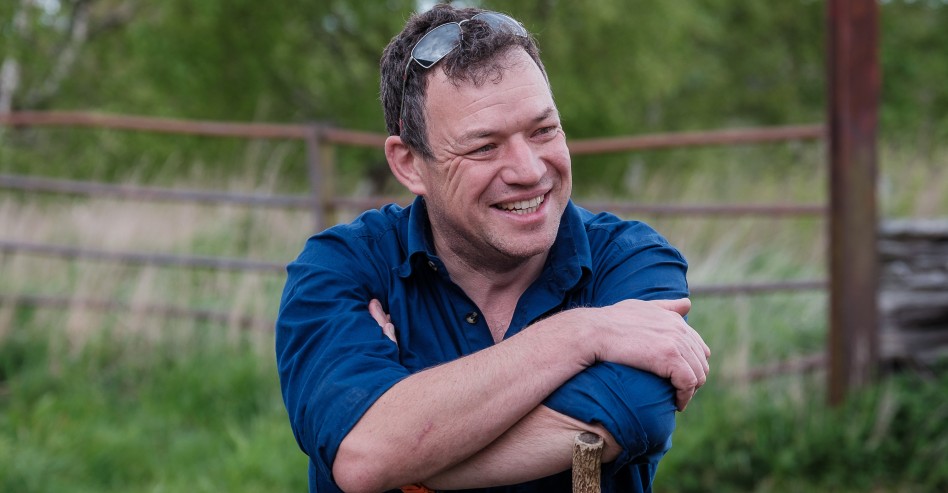
Situated between the Moray Firth coast and the foothills of the Cairngorms is Edinvale Farm, a livestock operation run by NFFN farmer Jock Gibson. It comprises 100 acres owned by Jock and his wife Fiona, as well as a further 550 acres managed through seasonal grazing and tenancy agreements. The home farm has heavy soils and is situated on a hillside around 500ft above sea level.
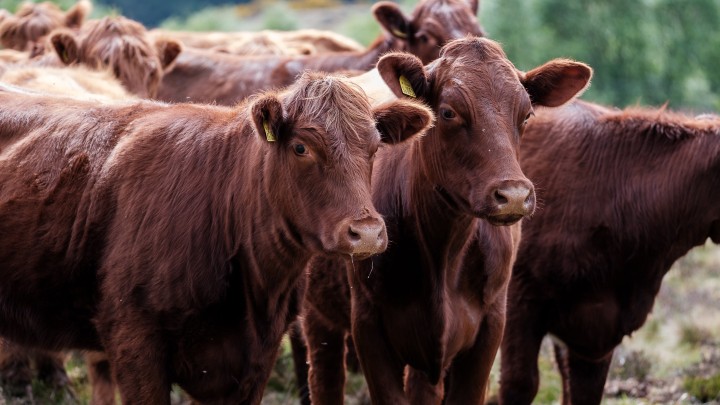
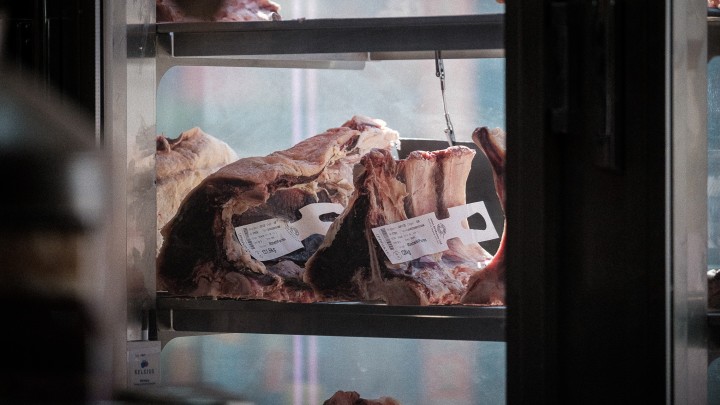
Jock’s mum came from a farming family but his dad was a first-generation farmer. They bought Edinvale in the mid-1970s, and began rearing pedigree Highland cattle, selling the genetics around the world. In the 1980s, they bought a butcher's shop to increase the value they were getting from their meat.
Growing up, taking over the farm business was not an option for Jock, so he went to university in Manchester before embarking on a career in engineering. During this time, he came to realise that the environmental sustainability aspect of his work was what he most enjoyed. He returned home in 2007 to help his mum run the butcher's shop, and in 2015, had to decide whether to continue or sell the farm after his parents died in quick succession.
Although Jock’s dad embraced some of the conventional agricultural thinking of his era, such as using sprays and fertilisers, he also resisted high-concentrate feed diets and adopted practices that were unusual for the time, like outwintering animals on forage crops. However, when Jock took over, he realised there were further nature-friendly changes that could be made to help the business prosper while better connecting with an increasingly discerning customer base.
“When I started we had 30 breeding cows and 70 followers on 100 acres of owned ground and 80 acres of seasonal grazing,” he recalls. “We quickly discovered that just wasn’t enough to pay the bills. We had to increase numbers, but as we couldn’t really access any more land, we started looking into rotational grazing.”