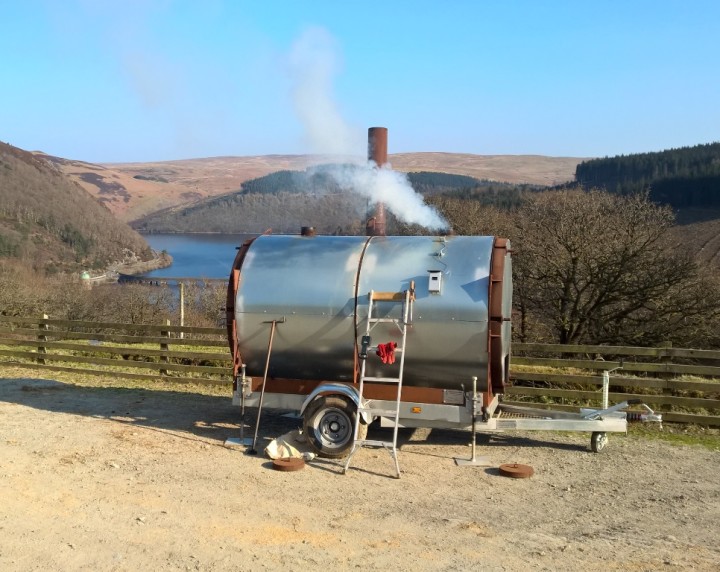

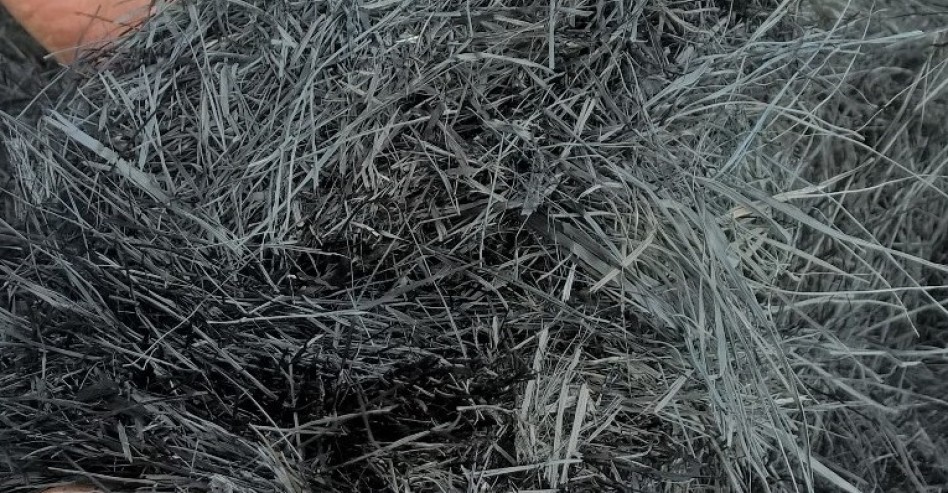
A two-year research project is attempting to turn low-quality Molinia grass into a soil improver. At Henfron farm in the Elan Valley, manure from sheep and cattle bedded on Molinia is composted with wool from Welsh Mountain sheep. This is then mixed with biochar, also made from Molinia.
Four growers across Wales are using variations of the soil amendment to grow cabbages, sweetcorn, courgettes, basil and radishes. The crops are being monitored and will be weighed when harvested.
The project hopes to demonstrate that yields can be improved with low carbon footprint alternatives to inorganic fertilisers while sequestering carbon and developing a peat-free alternative.
Other potential benefits include a market for tail wool which currently has no use, and a sustainable market for Molinia would encourage the removal of dominant Molinia improving biodiversity.
What is biochar?
Biochar is produced through a process called pyrolysis, which is the cooking of any organic material at high temperatures and with limited amounts of oxygen.