
Part of a series on Outsmarting the Fluke: Peer-Led Strategies for Scottish Pastures.
Relying on calendar drenches and business as usual has pushed parasite control to a dangerous cliff edge. Driven by volatile weather, genetically adaptive parasites, and drug resistance, routine chemical drenching is no longer financially or ecologically viable.
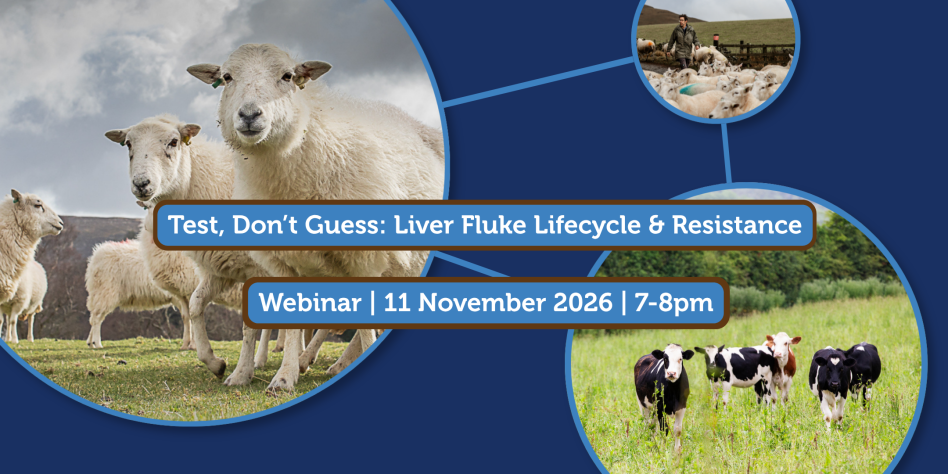
Join researchers, vets, and active farmers for an honest, peer-led discussion on Fasciola hepatica. Unpack the liver fluke lifecycle, understand how climate change accelerates risks, and explore accessible diagnostic tools; from kitchen-table testing to advanced diagnostics.
Here we introduce you to Fasciola hepatica, or the liver fluke. What is its lifecycle, how it engages and depends on the wider farm environment and what they do in response to each drench. We’ll also discover what testing for them involves, from your kitchen table to more advanced methods. We talk about the impact on animal health and why detection is better than symptom spotting.
Speakers
Dr. Philip Skuce — Principal Research Scientist, Moredun Institute
Philip is a leading livestock parasitologist at the Moredun Research Institute with decades of expertise in parasite biology, sustainable control strategies, and anthelmintic resistance. His work focuses on translating cutting-edge parasite science into actionable, practical tools for farmers; helping livestock producers navigate changing climate risks, reduce chemical inputs, and adopt targeted test-to-treat approaches.
Ann Van Eetvelt - Ann started her career as a mixed vet but after buying Lurgan farm, a hill farm in Aberfeldy with 800 blackie ewes and 20 Luing cattle, she decided to start on her own as a sheep vet / consultant.
More coming soon!